
Bamboo Alarm Clock Wholesale: How to Build a Retail Range
Build a focused bamboo alarm clock range with distinct customer jobs, matched samples, clear packages and model-level reorder rules.
Before building a bamboo clock assortment, review Mixed-model bamboo electronics wholesale planning, Charging clock retail test plan, Bamboo radio alarm clock sourcing guide and confirm the requirements for your project.
Who This Guide Is For
This guide is for distributors, online sellers, gift wholesalers and retail category managers building a bamboo alarm clock range. The decision is not simply which individual clock looks most attractive. It is how many distinct jobs the range should cover, which models deserve a test order, and what evidence will determine whether a model is reordered, revised or removed.
A useful range may include a simple LED desk clock, a more informative LCD clock, a radio alarm clock and a wireless charging clock. The customer job, demonstration, packaging and support burden are different for each. Adding several similar shapes with the same story usually creates inventory without creating real choice.
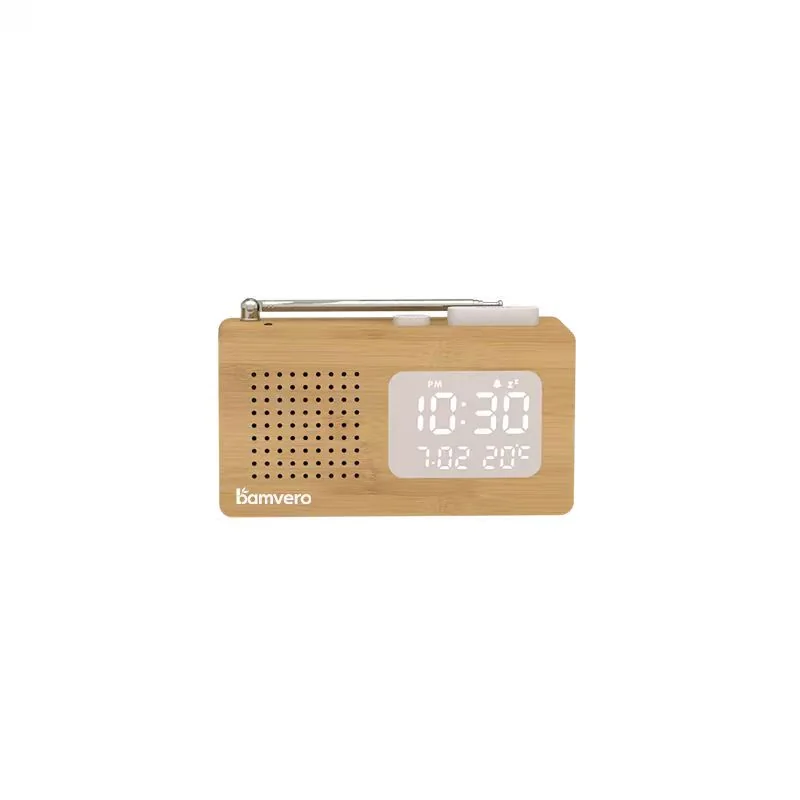
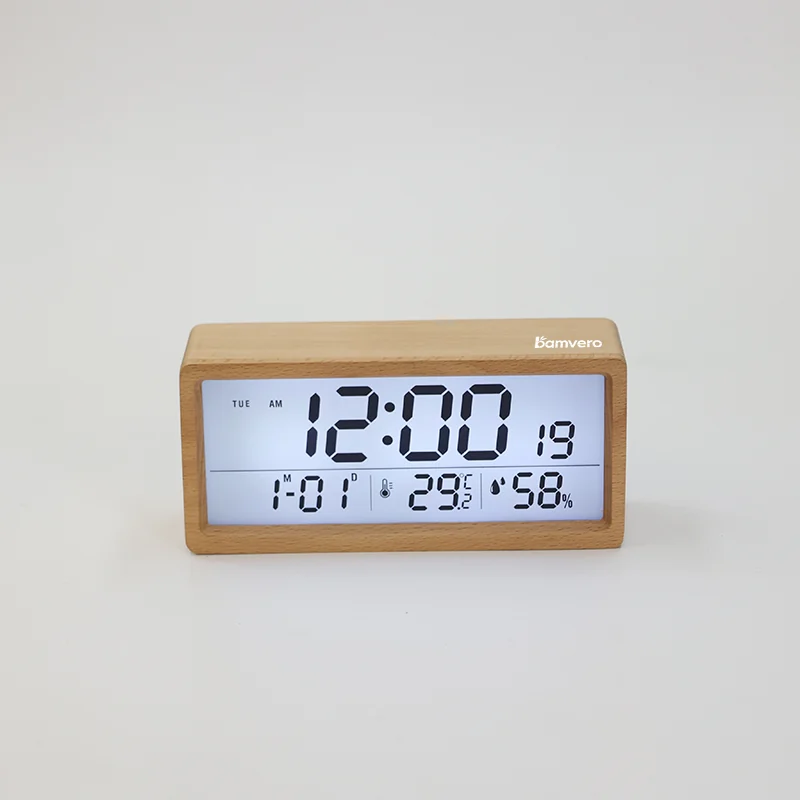
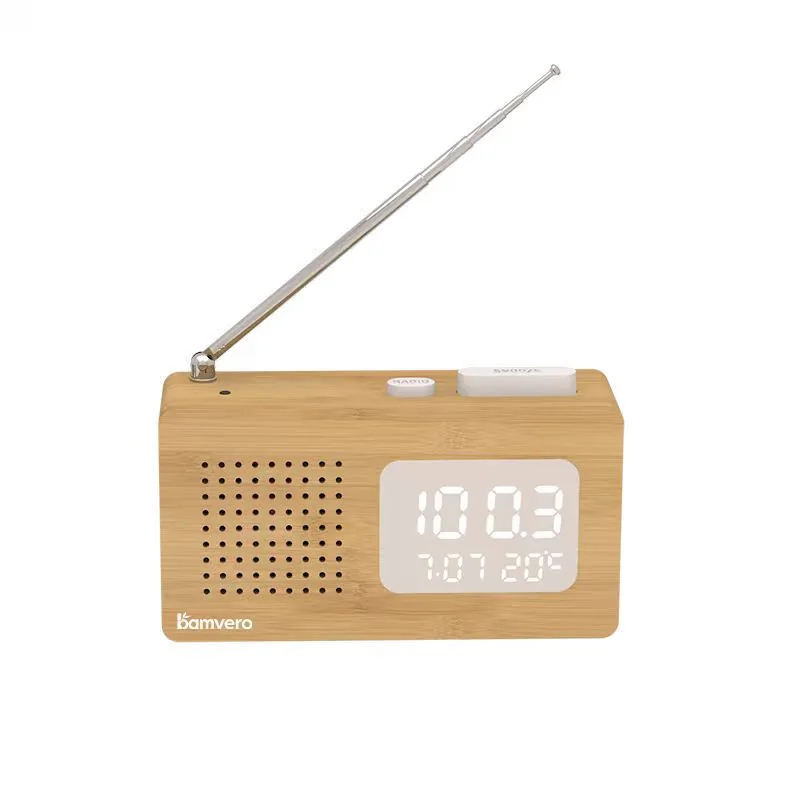
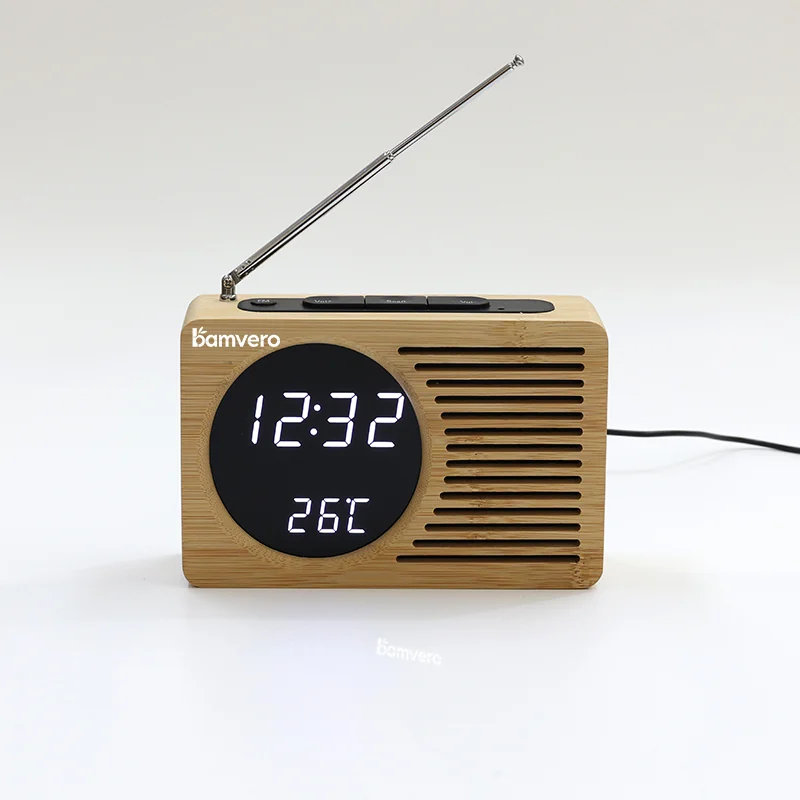
Woodshowtime product pages provide concrete reference directions: the 1294 is a compact bamboo LED desk clock; the 1906 displays time, date, weekday, temperature and humidity with alarm and backlight; and the 2605 is a compact FM radio alarm clock with dual alarms and a nine-minute snooze. Treat these as starting points for assortment roles, while confirming the exact supplied specification, accessories, controls and documentation for every order.
Key Takeaways
- Begin with customer jobs and channel positions, not a large model count.
- Keep simple LED, information-rich LCD, radio and charging clocks in separate roles.
- Use the same sample scorecard across shortlisted models.
- Make packaging explain the primary job, setup, power and included accessories.
- Compare quotations only after configuration and packaging scope are normalized.
- Track sell-through, support questions and returns by model before reordering.
Quick Range Planner
| Range role | Reference model direction | Main retail question | Evidence before order |
|---|---|---|---|
| Simple desk clock | 1294 LED desk clock | Is the display and control route easy to demonstrate? | Display, setting, power and packaging sample |
| Information clock | 1906 LCD humidity clock | Do the extra fields serve the target buyer? | Readability, backlight and setting checks |
| Radio alarm clock | 2605 compact FM clock | Can staff and customers understand radio and dual alarm controls? | Reception, alarm, snooze and instruction test |
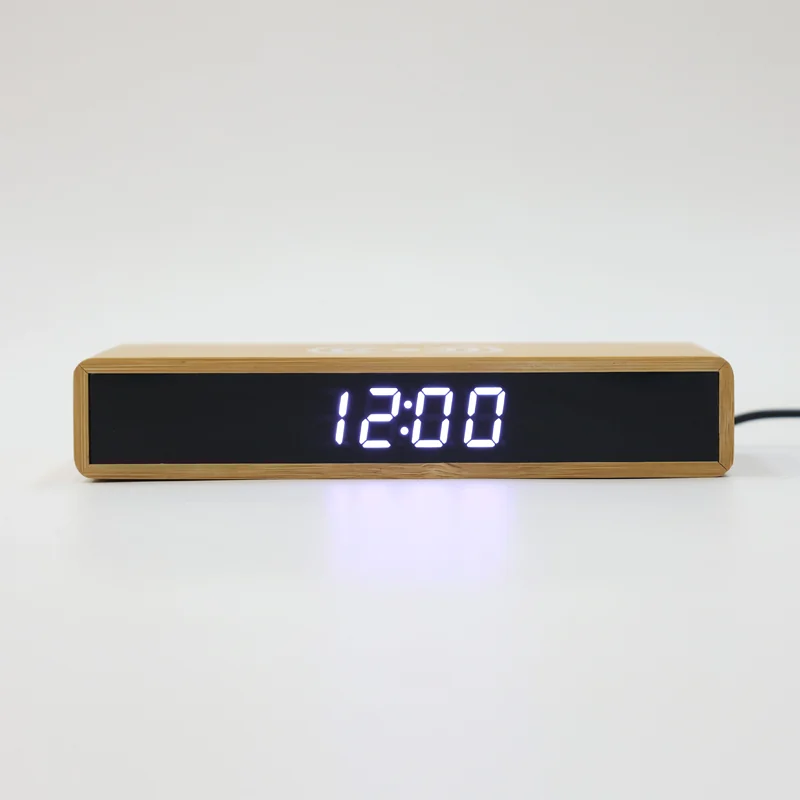
| Charging clock | W101 or W118 direction | Does charging add a clear channel benefit? | Device, case, input power and alignment log |
Define One Customer Job Per Model
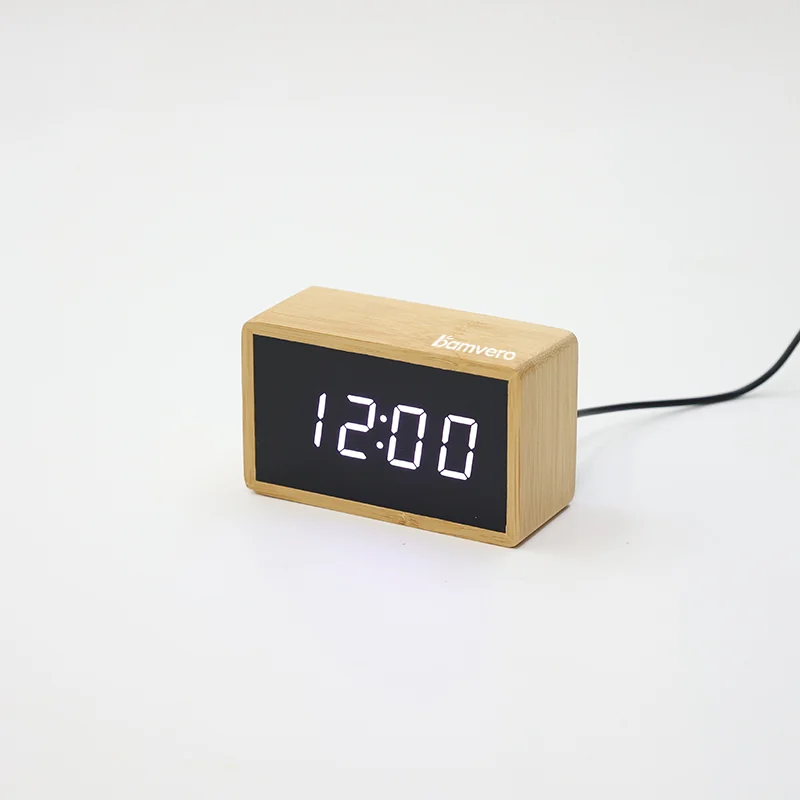
Write one sentence for every candidate: who is it for, where will it be used, and why would a buyer choose it over the next model? A compact LED clock can cover a simple desk or bedside role. An LCD model can serve customers who value more calendar and room information. A radio clock adds audio and alarm setup. A charging clock combines time display with a device-accessory job.
If two models have the same sentence, they may be duplicates. Keep both only when the difference is meaningful to the customer or channel-for example, a distinct size, display style, control route, package position or verified function.
This role map also helps sales teams. Each model gets one headline benefit, a short demonstration and a clear comparison. The range becomes easier to merchandise than a catalog of near-identical feature lists.
Build a Small Assortment Architecture
Use three layers rather than assigning an exact universal model count. An entry layer should be easy to explain and support. A core layer should solve the main target use case. A specialist or premium layer may add radio, charging, lighting or a more decorative form when the channel can explain and price the difference.
Start with the fewest models that cover those layers. The right number depends on shelf space, test budget, supplier quantity terms, online content capacity and support resources. Do not publish a fixed mix percentage until real sales data exists.
For a gift wholesaler, form and packaging may carry more weight. For an electronics reseller, setup, power and compatibility may dominate. For a home-accessory retailer, display style and coordinated bamboo finishes may define the story. The architecture should follow the channel, not copy another seller's catalog.
Compare Samples With One Scorecard
Create one sample sheet for the whole range. Score the display in bright and dim environments, control clarity, alarm setup where included, cable and power scope, stability, surface workmanship, logo position, package protection and instruction quality. Add model-specific checks only after the shared basics.
For the 1906 direction, verify whether the intended customer can read and set the time, date, weekday, temperature, humidity, alarm and backlight functions shown on the product page. For the 2605 direction, add FM reception in representative locations, dual-alarm setup and snooze operation. For charging models, record the exact device, case, input power and alignment rather than using a universal compatibility claim.
Run the sample as a customer would receive it. Start from the closed retail package, identify every included item, follow the supplied instructions and record where setup requires staff explanation.
Design Packaging Around the Primary Job
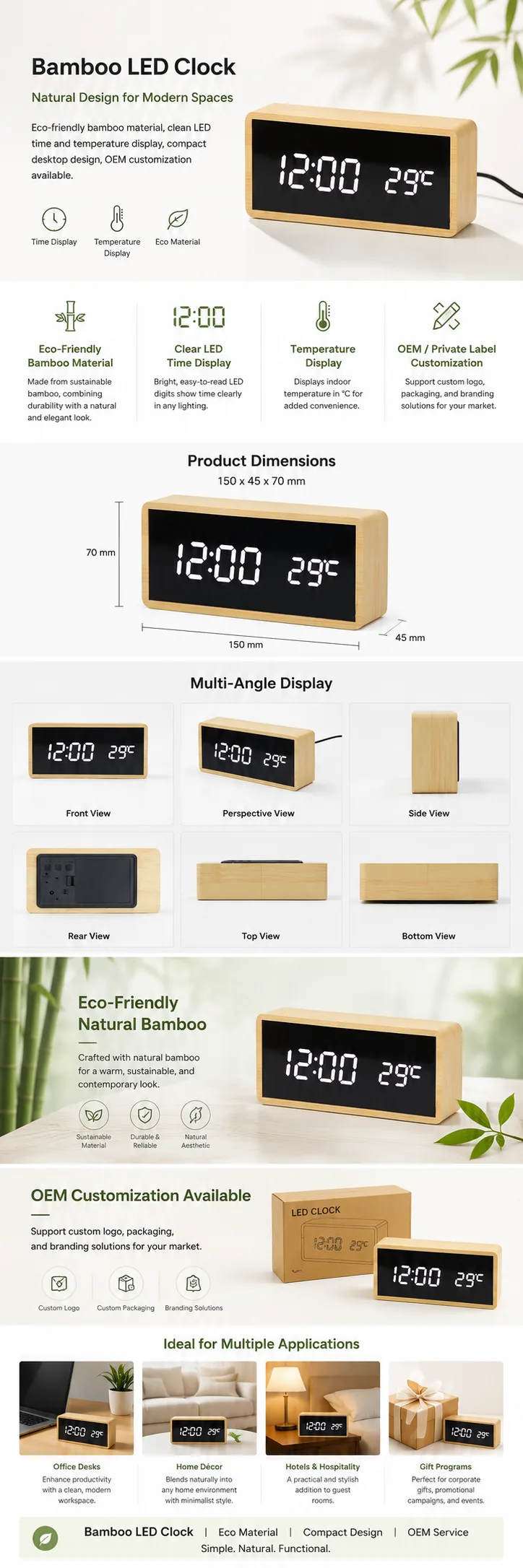
The front of the package should answer what the product is and why it belongs in this range. The side or back can explain the control route, power requirements, included accessories and verified functions. Avoid presenting every possible technical term with equal emphasis.
For e-commerce, the same information must work in thumbnails, gallery images and product descriptions. Photograph the display, controls, rear connections and size context. Use actual model images and accurate ALT text. Do not use a lifestyle image to imply a feature the supplied configuration does not include.
Test the completed pack for movement, surface rubbing and accessory contact. A bamboo finish can look premium on a sample yet arrive scratched if a cable or adapter moves inside the box.
Normalize Wholesale Quotations
Ask every supplier to quote the same scope: exact model and revision, electronics, power cable and adapter status, logo method, retail box, manual language, labels, inspection, order quantity, trade terms and destination. Unknown fields should remain open rather than being filled with assumptions.
Separate unit price from the costs needed to make the item ready for sale. Packaging artwork, testing, market documents, freight, duty, platform fees, advertising and returns can affect the real commercial result. Use a landed-cost worksheet based on current quotations and your own channel data.
If one quotation appears cheaper, check whether it excludes the adapter, branded box, manual, inspection or test scope included elsewhere. A normalized table is more useful than comparing headline prices.
Plan the Retail Test
Give each model a defined test period, placement, price, content and stock level. Keep important variables as stable as practical. Otherwise a premium model shown at eye level with strong content cannot be compared fairly with an entry model placed elsewhere with no demonstration.
Track units sold, gross contribution after channel costs, views or footfall, product-page conversion, staff questions, setup questions, return reasons, damage and stock cover. Separate product demand from stockouts, promotion and placement.
For online channels, record whether returns relate to size expectations, display, controls, power accessories, radio reception or charging compatibility. Those reasons can improve packaging and listings even when the model stays in the range.
Set Reorder and Exit Rules Before Launch
Define what will trigger a reorder, smaller replenishment, packaging revision or exit. Use model-level evidence; total category sales can hide a strong core item and a slow duplicate.
A model may deserve more time if its product page has traffic but setup questions suppress conversion. It may need removal if it duplicates another model and adds no margin, customer job or strategic role. A product with healthy sales but recurring packaging damage needs a corrective action before a larger reorder.
Share return themes and service questions with the supplier using model, lot, photograph and package revision. This creates a more useful repeat-order discussion than simply requesting the previous goods again.
Final Buyer Checklist
- Does every model serve a distinct customer job and range position?
- Is there a simple entry option, a core model and only justified specialist models?
- Are all samples scored with the same basic method?
- Are model-specific functions tested without cross-model assumptions?
- Does packaging explain the primary job, setup, power and accessories?
- Are quotations normalized to the same configuration and packaging scope?
- Is landed cost based on current destination and channel inputs?
- Are test placement, price, content and stock recorded?
- Are support questions and return reasons tracked by model?
- Are reorder, revision and exit rules defined before launch?
- Can the supplier trace each repeat order to the approved sample and package?
Send Woodshowtime your target channel, country, customer jobs, preferred clock formats, package requirements and test quantity range to request a focused wholesale shortlist.
Related sourcing resources
Methodology and official references
Product roles in this guide use current Woodshowtime product-page information. Confirm the exact supplied specification, accessories, documents and commercial terms for each order.
Frequently asked questions
How many models should a first bamboo alarm clock range include?
Use the fewest models that cover distinct customer jobs and fit your shelf, content, budget and support capacity. There is no universal model count.
Should an LED clock and an LCD clock share the same retail role?
Usually they should be differentiated. A simple LED display and an information-rich LCD display serve different presentation and setup expectations.
What needs extra testing on a radio alarm clock?
Add representative reception locations, station controls, alarm setup, snooze operation, sound behavior and instruction clarity to the shared clock checklist.
How should wholesale prices be compared?
Normalize the exact model, electronics, power accessories, logo, packaging, manual, inspection, quantity, trade terms and destination before comparing price.
Which data should drive a reorder?
Use model-level sales, contribution, support questions, return reasons, damage, stock cover and replenishment timing rather than category sales alone.
Build the specification before comparing the final price.
Align the target channel, product functions, destination market, branding and packaging route before approving a sample or bulk quotation.